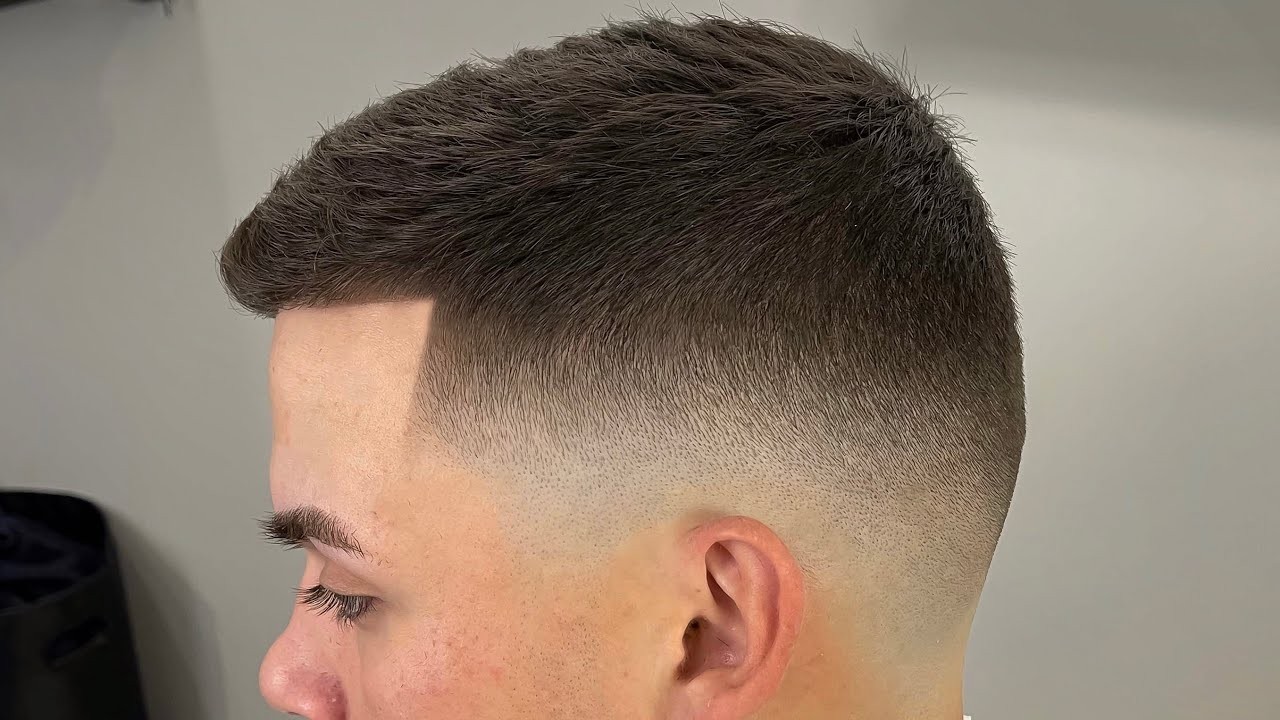
When you sit in the chair and ask, “What is a fade haircut?”, you are not just asking for short sides. You are asking for precision and a clean blur that makes your whole look feel intentional.
At Warrington Barber Shop, we don’t treat a fade like a trend. We treat it like craftsmanship because when your blend is right, everything else about your style hits different.
Let’s break down how you can choose the right fade, how it shapes your overall look, and how you keep it sharp long after you leave our chair.
Let’s First Understand What Is a Fade Haircut
A fade haircut is a controlled contrast. It’s the art of blending your hair from longer on top down to shorter on the sides and neckline in a seamless gradient.
A fade isn’t about going short. It’s about where the transition starts, how tight the blend is, and how it works with your head shape, hair density, and lifestyle.
You don’t want a fade that looks copied. You want one that is tailored for you, and that’s where having precision is crucial.
Your Face Shape Low-Key Decides Your Fade Height
You might think you’re just picking between low, mid, or high. But your face shape is actually running the show.
Round Face? Go Higher.
A higher skin fade adds vertical length. It draws the eye upward and sharpens your profile. If you want your jawline to pop more, this is your move.
Longer Face? Keep It Lower.
A low fade keeps more width around the temples. That balance stops your head from looking too narrow or stretched.
Strong Jawline? Enhance It.
By tightening the sides, we create contrast that naturally frames your jaw. It’s subtle, but the effect is powerful.
When you understand what is a fade haircut, you start realizing it’s not random. It’s structural.
Picking Your Fade Personality to Achieve Unique Looks
Let’s talk vibe because each fade level gives a different energy.
Low Fade
If you want polished but not loud, this is your go-to. The blend starts just above the ears and stays subtle.
It is perfect if:
- You work in a professional setting.
- You want something timeless.
- You like the edge without the drama.
Mid Fade
This one sits around the temples and gives you a visible contrast without going extreme. It’s balanced, modern, and fresh.
We get this request a lot, and for good reason.
High Fade
This fade climbs higher toward the crown and drops fast. The contrast is strong.
Best paired with:
- Textured crops.
- Longer curls on top.
If you want your cut to make a statement, this is it.
Skin Fade
This fades all the way down to bare skin using foil shavers for that smooth finish.
A quick heads up: It grows out faster. But when it’s fresh? You get the best, sharp look.
Know Your Fades Before You Sit in the Chair
Here’s a quick breakdown to help you lock in your choice:
| Fade Type | Starting Point | Maintenance Level | Best For |
| Low Fade | Just above the ears | Every 3 to 4 weeks | Subtle, professional looks |
| Mid Fade | Around the temples | Every 2 to 3 weeks | Balanced modern styles |
| High Fade | Near the crown | Every 2 weeks | Bold contrast lovers |
| Skin Fade | Blends to bare skin | Every 2 weeks | Ultra-clean finish |
| Taper Fade | Sideburns and neckline | Every 4 weeks | Low-maintenance guys |
How Your Hair Texture Shapes Every Style
If you’re still confused about what is a fade haircut in practical terms, it also depends on your texture.
Straight Hair
Blends have to be super precise. Any harsh line shows instantly. We rely heavily on clipper-over-comb and guard adjustments to keep it smooth.
Thick Hair
Bulk control is important. We remove weight strategically so your top doesn’t look disconnected from your sides.
Curly or Coily Hair
This is where fades look elite. Natural shadow from curls creates that smoky gradient effect. Add a clean line-up at the temples, and you’re set.
Different textures need different techniques. That’s why you don’t want rushed fades.
Line-Up Techniques That Elevate Your Style
You know that crisp edge at your forehead? That’s the line-up, or shape-up, and it changes the entire game.
A fade without a sharp lineup feels unfinished.
We sculpt:
- Your hairline.
- Your temples.
- Around your ears.
- Your neckline.
It’s all about symmetry, clean edges, and defined corners.
Keep Your Fade Looking Fresh with Regular Maintenance
Fades grow out fast. To keep that “just left the shop” energy:
- Book a touch-up every 2 to 3 weeks.
- Keep your scalp moisturized, especially with skin fades.
- Use matte styling products so shine doesn’t overpower the blend.
- Avoid heavy buildup products on short sides.
If you are serious about your look, maintenance isn’t optional.
Conclusion
Now you can confidently answer what is a fade haircut, and more importantly, you know which one fits you.
If your current haircut feels basic, uneven, or just not hitting the way it should, it’s time for an upgrade.
Don’t settle for average! Book your appointment at hair salon Warrington PA today and experience what a properly created fade really looks like.
Fade Haircut FAQs
1. How long does a fade haircut usually take?
A properly blended fade takes around 30 to 45 minutes. Precision matters, and we don’t rush the process.
2. Does a fade work if you have thinning hair?
Absolutely. Shortening the sides reduces contrast and makes the top appear fuller. It’s actually one of the smartest choices for thinning hair.
3. What’s the difference between a taper and a fade?
A taper focuses mainly on the sideburns and neckline while keeping more length overall. A fade blends higher up the head and goes much shorter.
4. How often should you get a fade touched up?
For that crisp look, every 2 to 3 weeks is ideal. If you prefer a softer grow-out, you can stretch it to 4 weeks.
5. Can you combine a fade with longer hairstyles?
Definitely. Fades pair perfectly with pompadours, textured crops, slick backs, curls, and even braids. The fade enhances whatever you’ve got on top.

